Project Spotlight
YOU CAN REPAIR YOUR STREETS AND SAVE MONEY
IN SPITE OF THE RISING COST OF ASPHALT
“You don’t put lipstick on a pig!” This is good advice from Terry Garrett, Street Superintendent, of Brownwood, Texas. When asked to compare full depth recycling or reclamation (FDR) to the surface treatments he used to use on his streets he chuckled, “Surface treatments versus FDR is like putting lipstick on a pig. You can doll it up all you want but you still have a pig!”
Like most cities and counties, the City of Brownwood lacked the equipment and resources necessary to completely re-engineer their streets so Terry had to address his street problems by applying surface treatments. This meant applying underseal and sealcoat and then about a 2-inch layer of asphalt over the existing road surface. Many of his streets are 50-years old or more with crumbling asphalt over little or no base so he knew his surface treatments would not last. Complete reconstruction, tearing up the asphalt, removing what base was there and starting over by bringing in new base and asphalt, was out of the question. It was just too expensive.
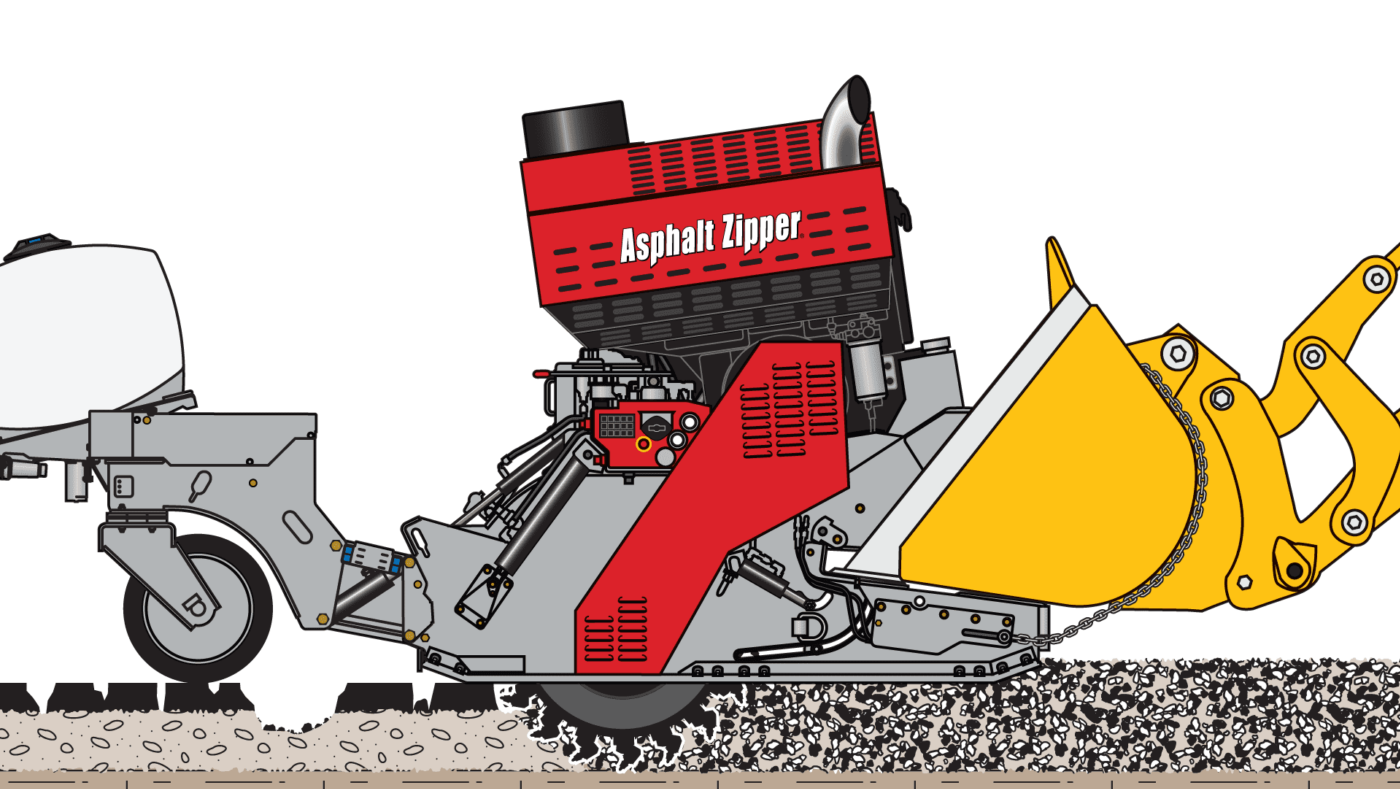
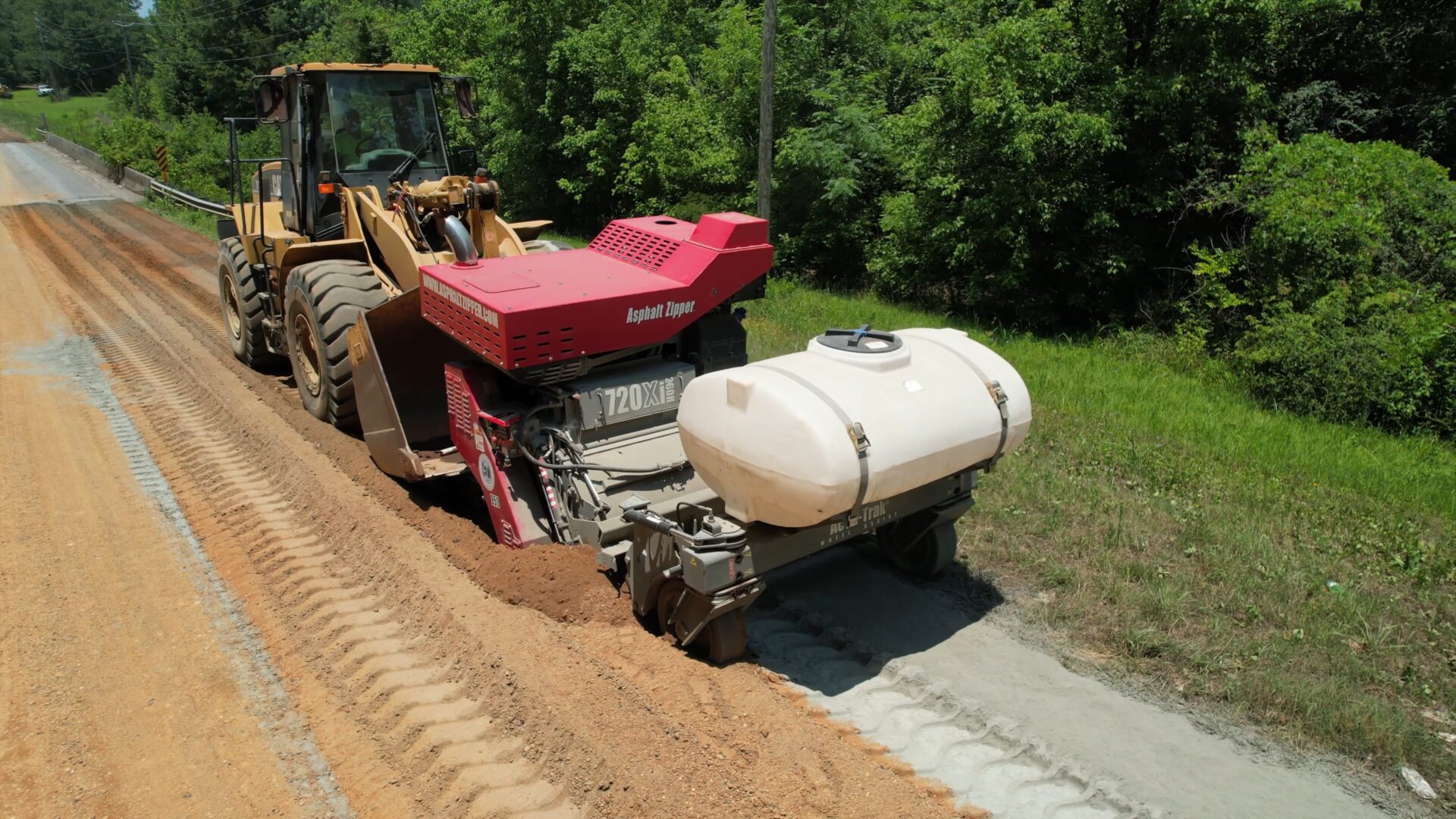
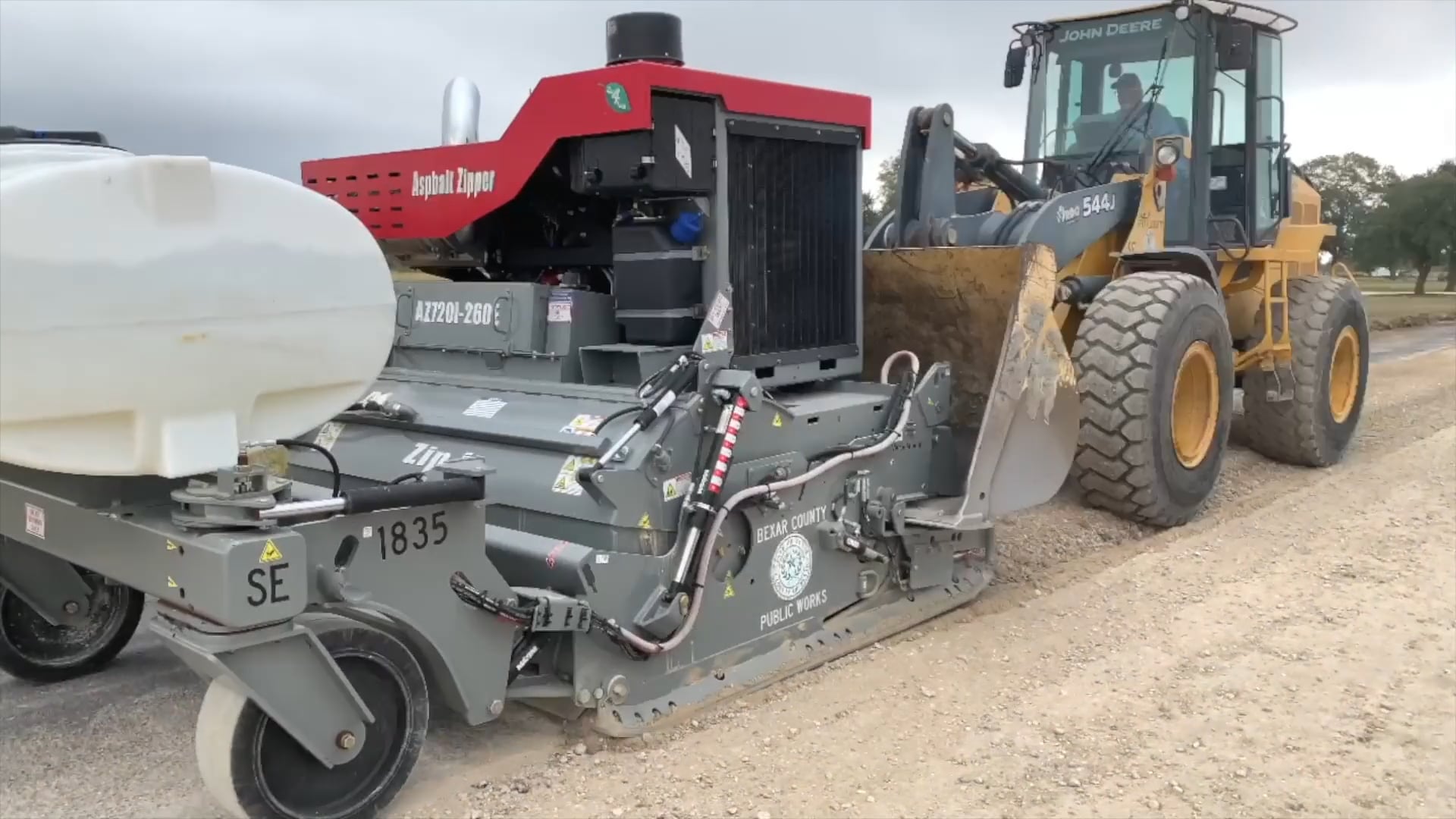
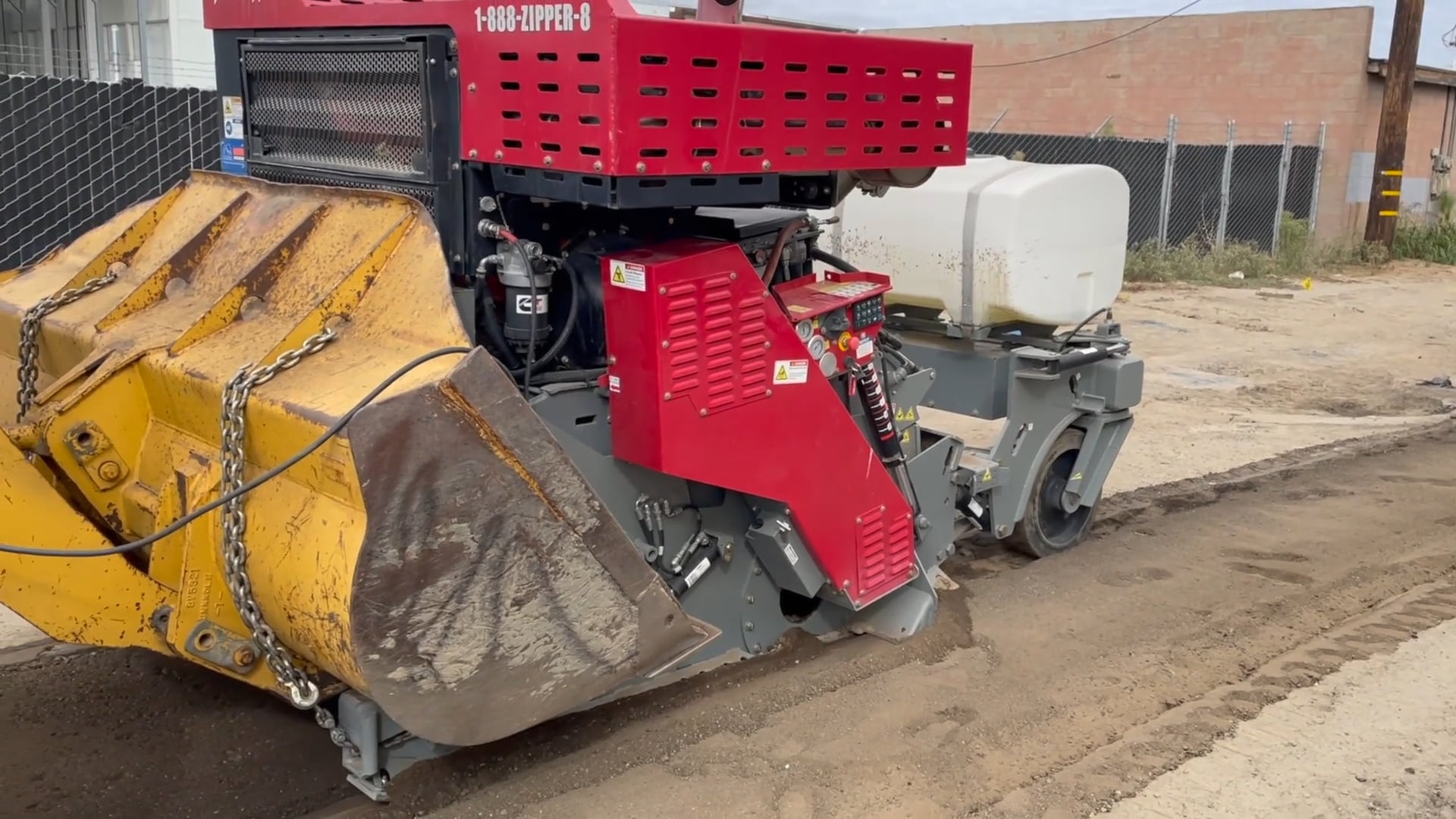
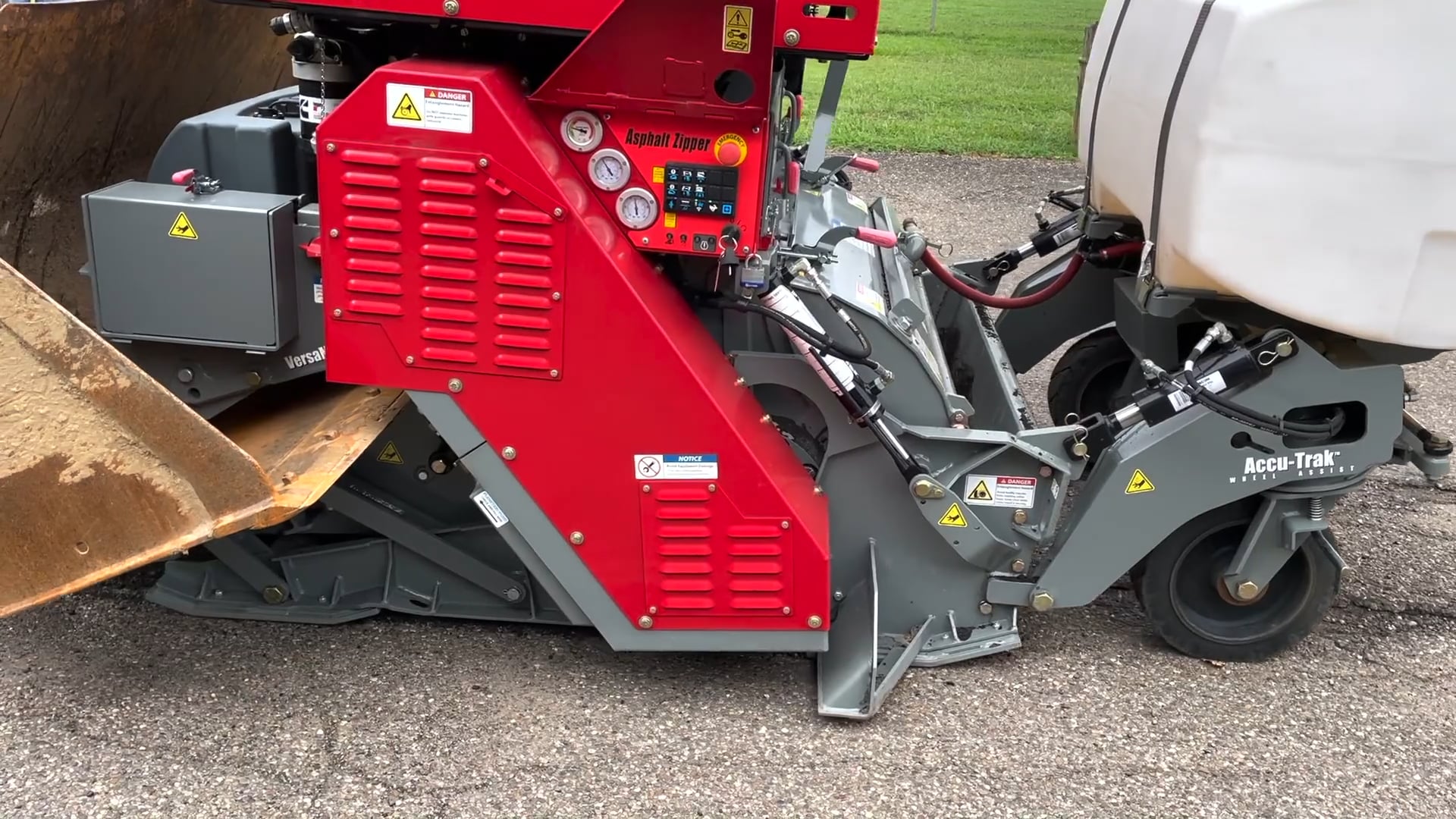
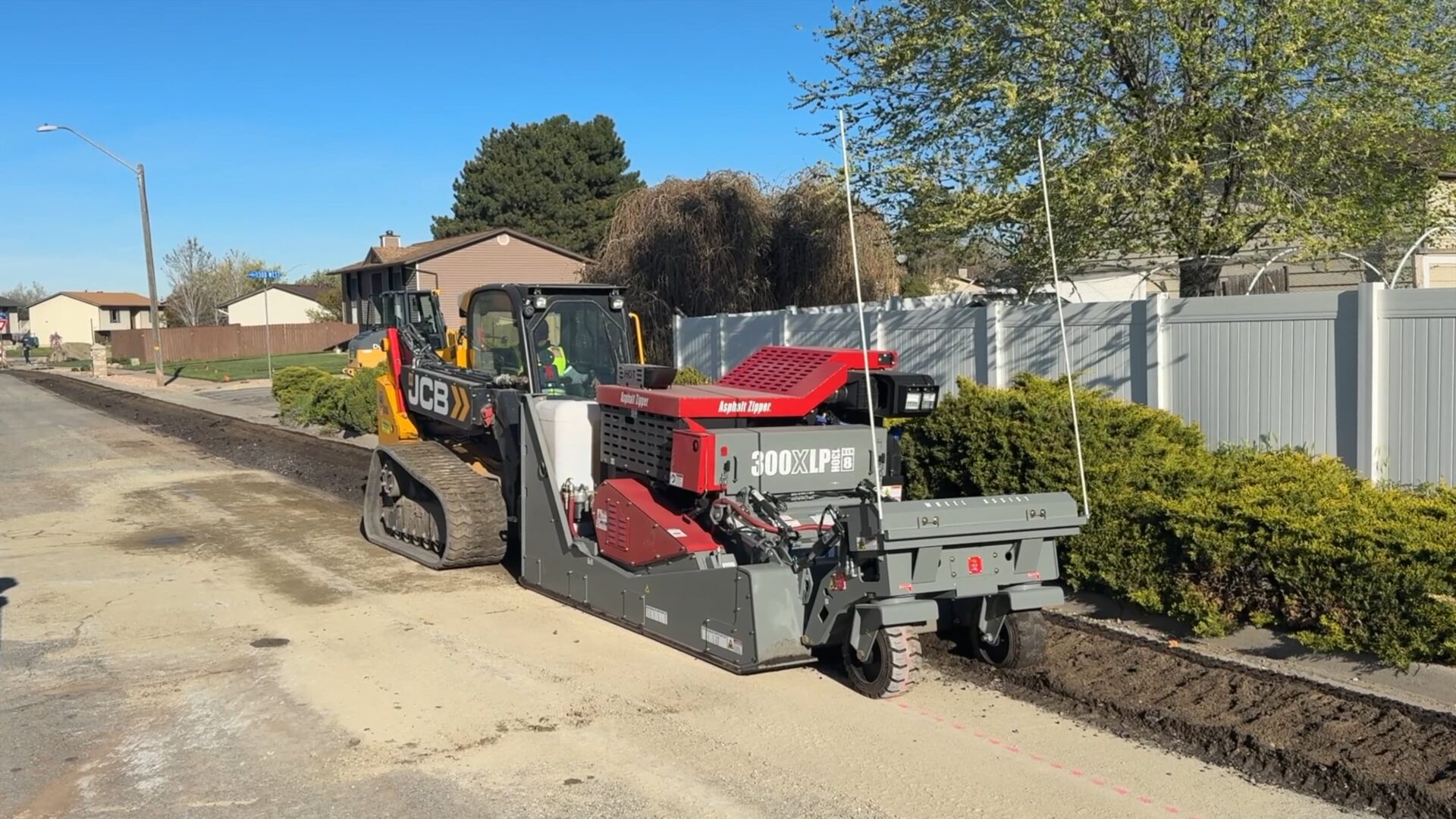
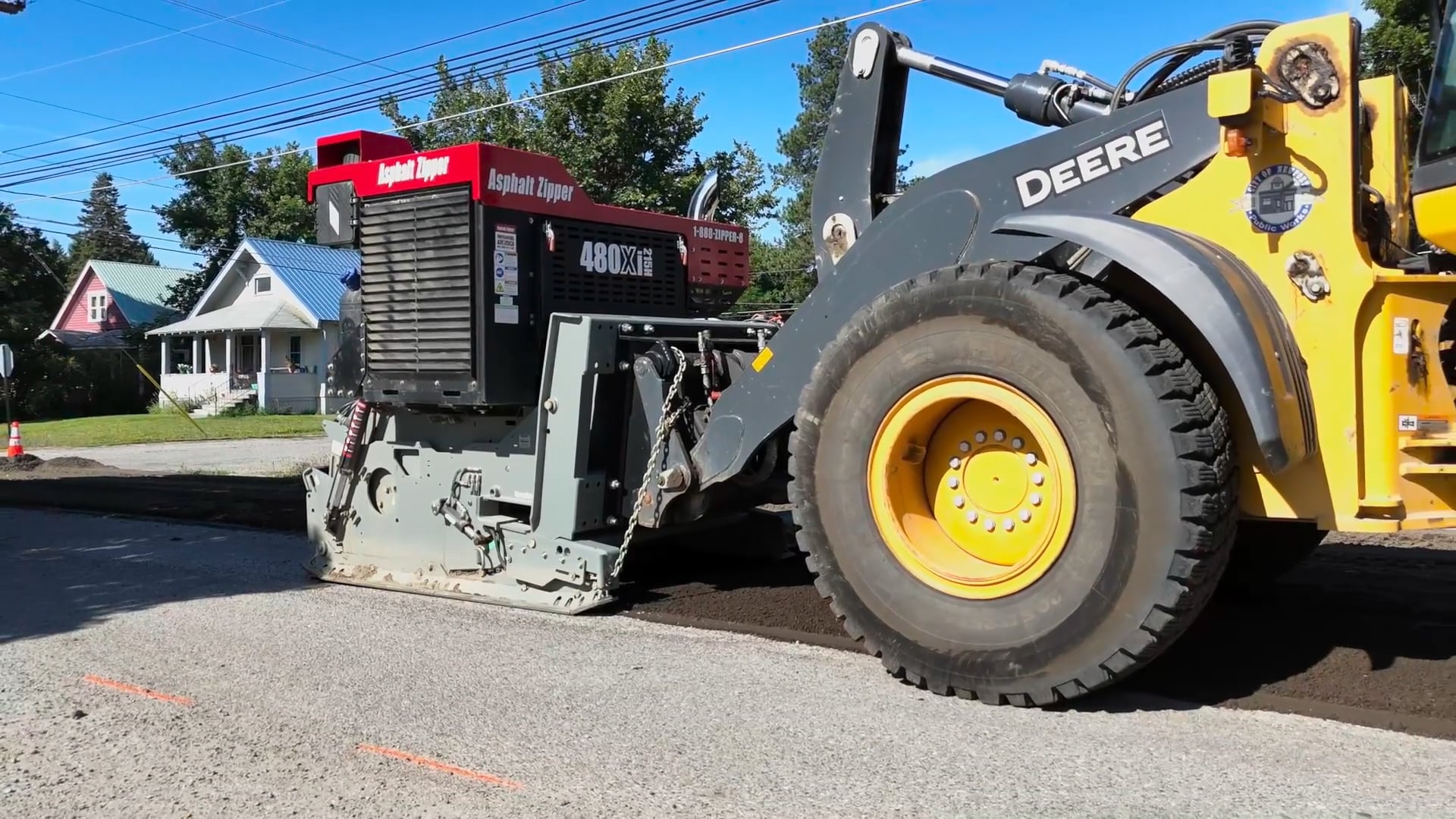
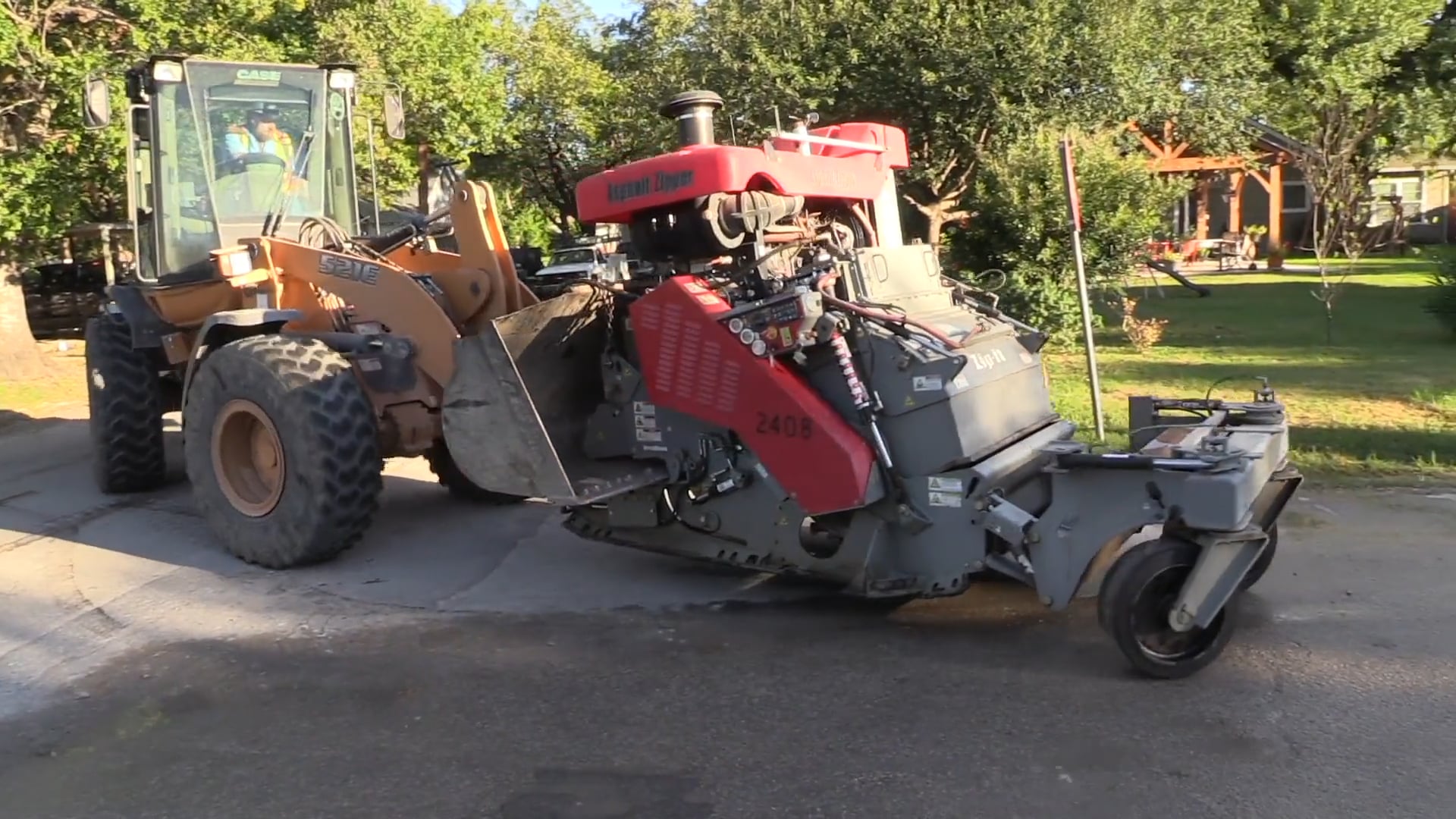
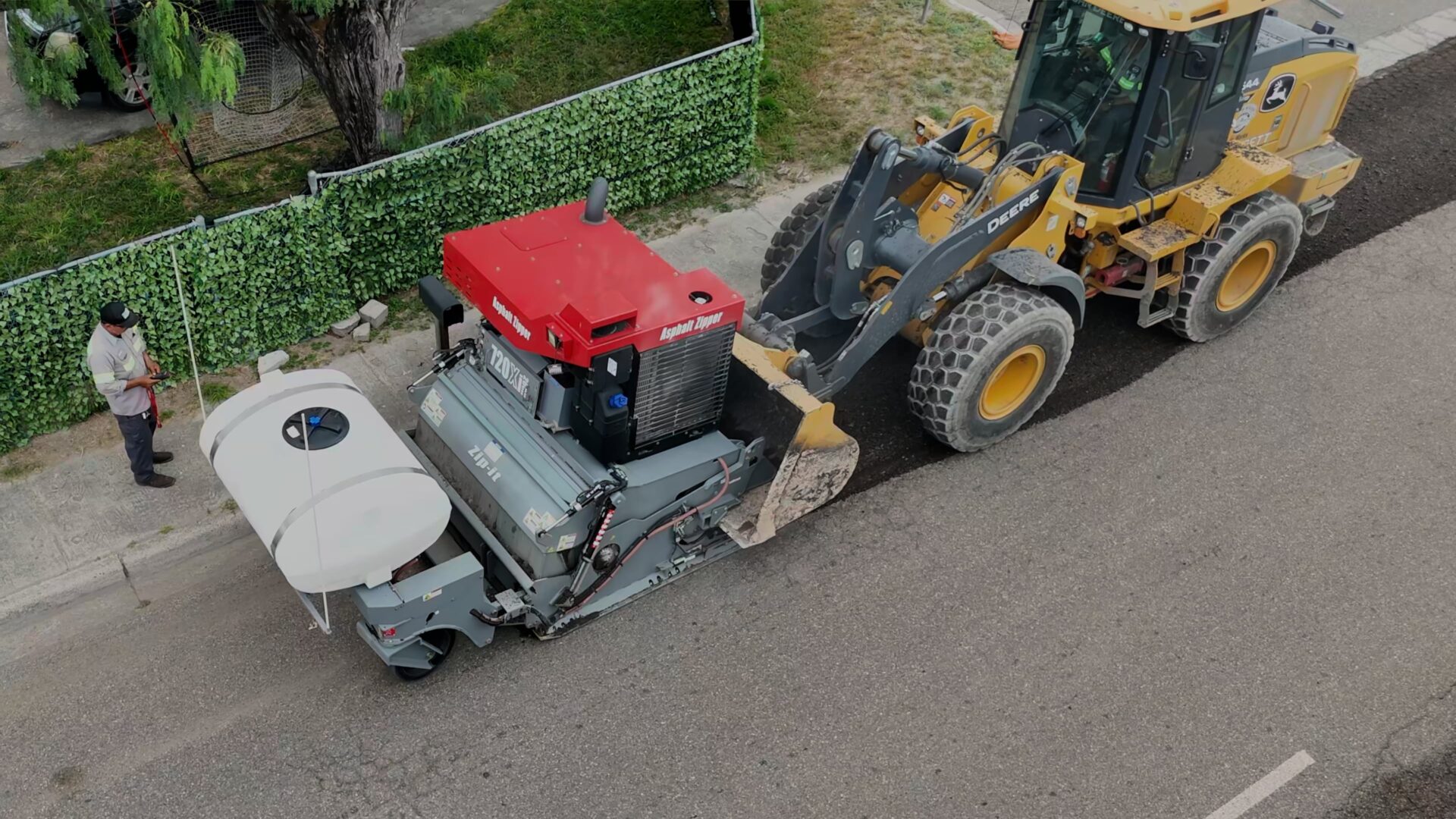
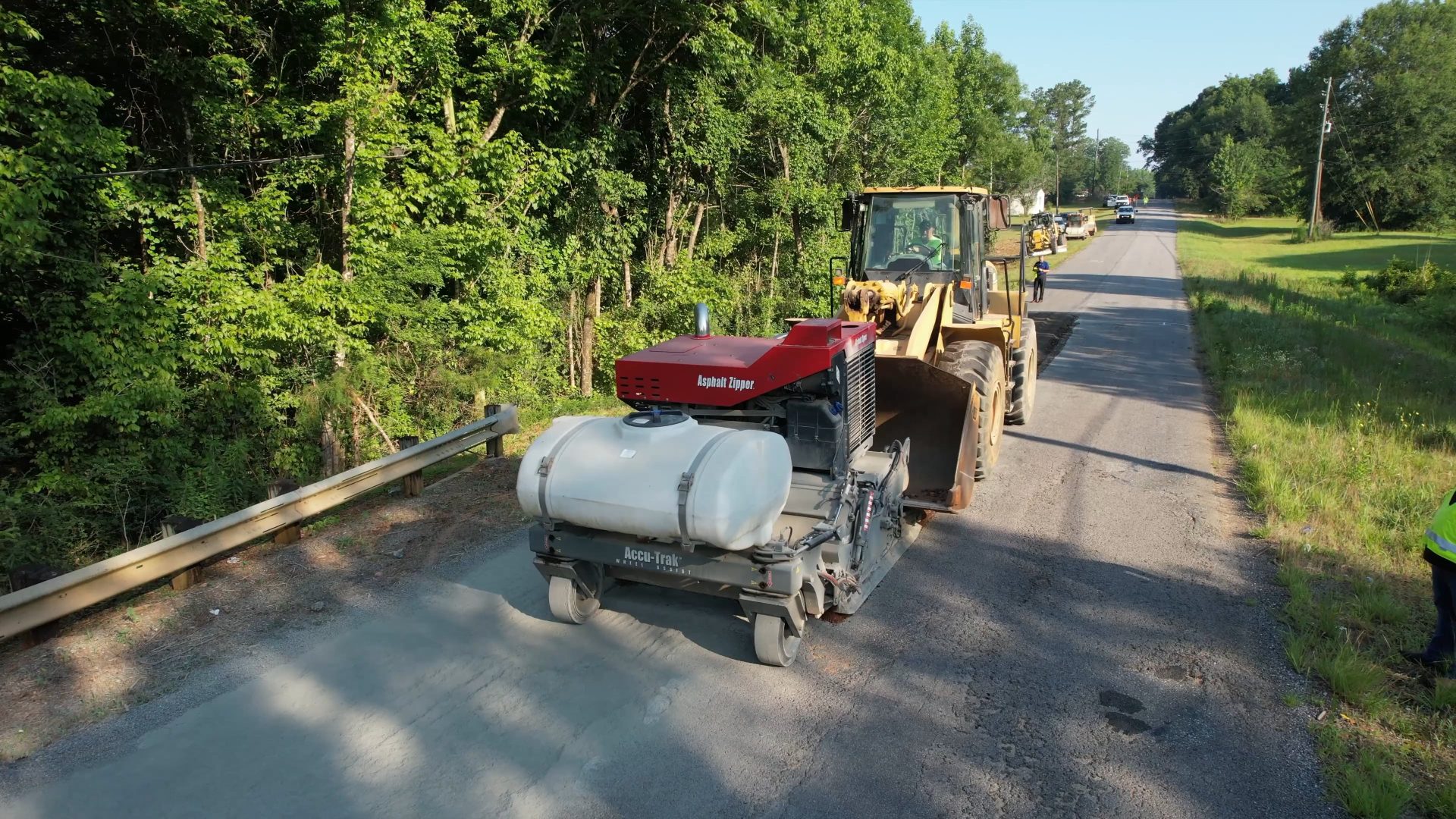
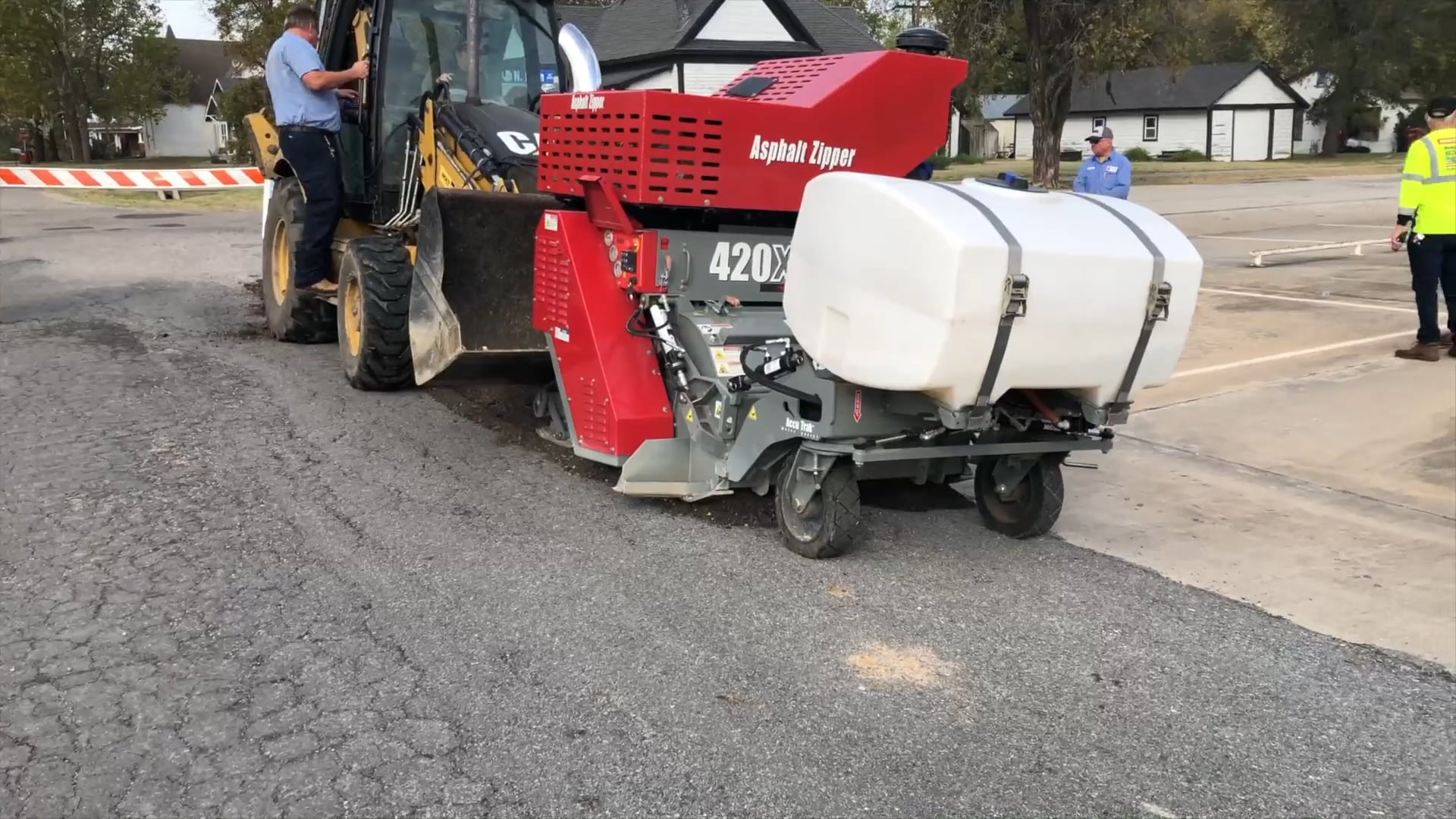
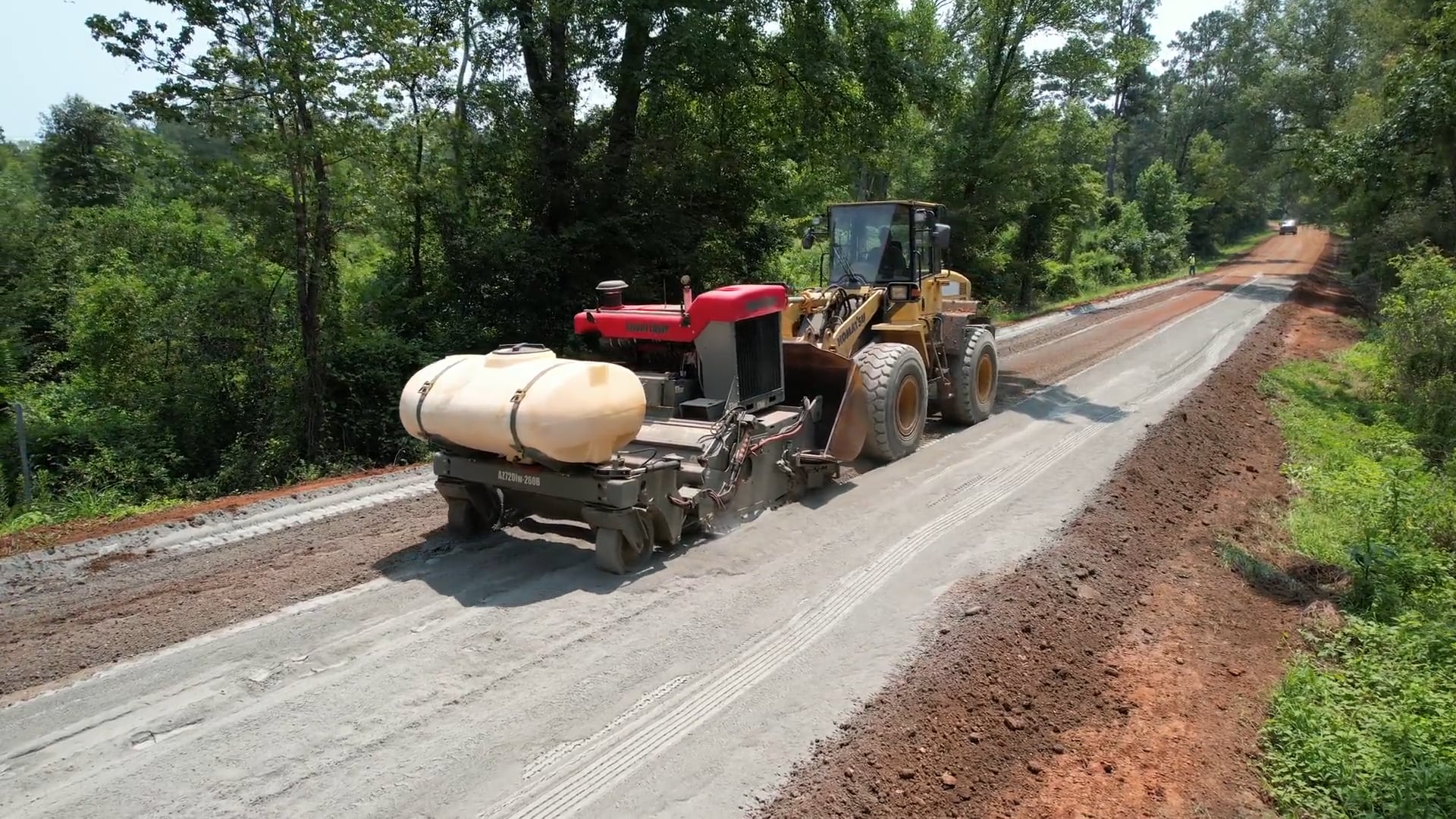
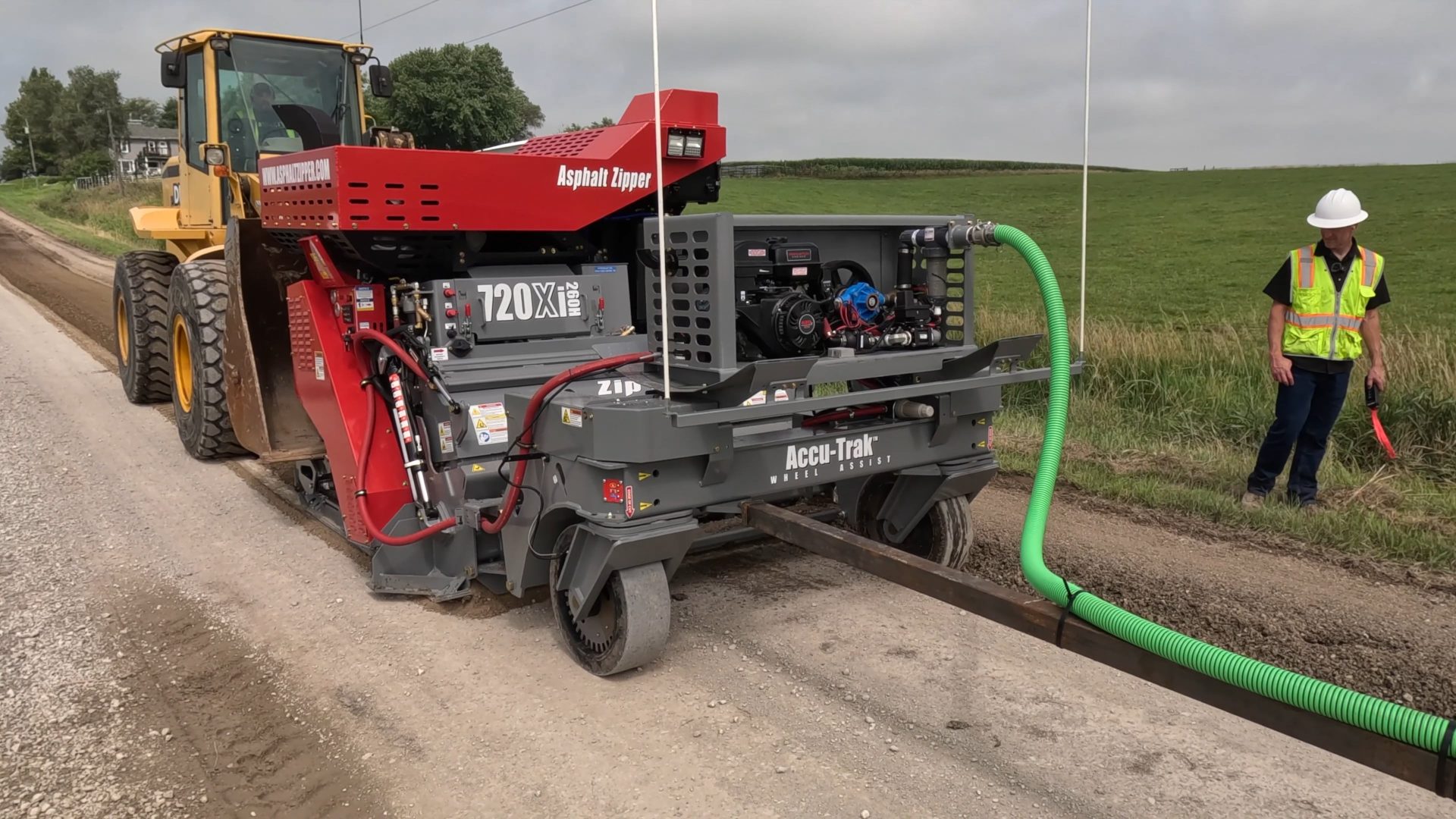
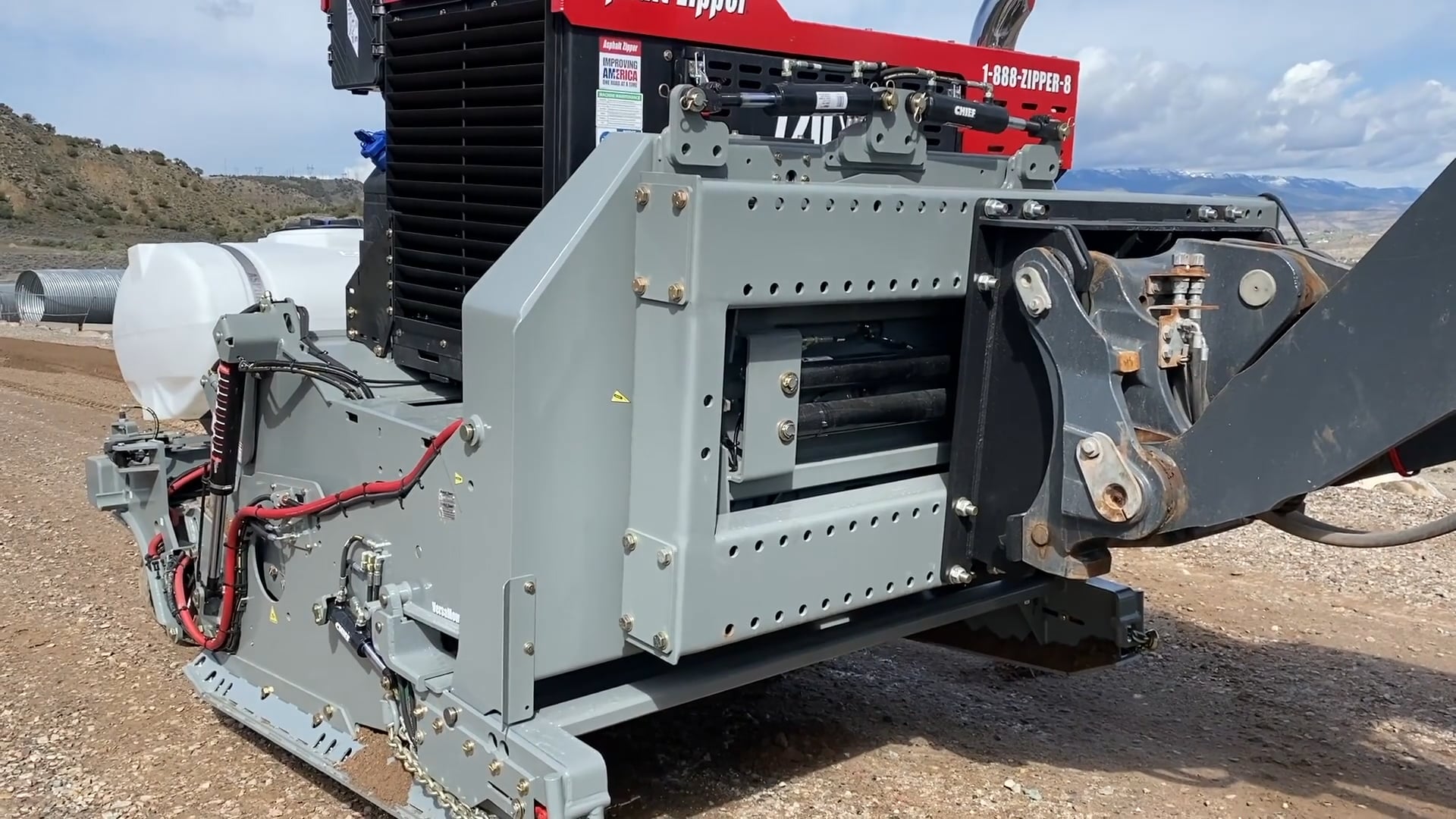
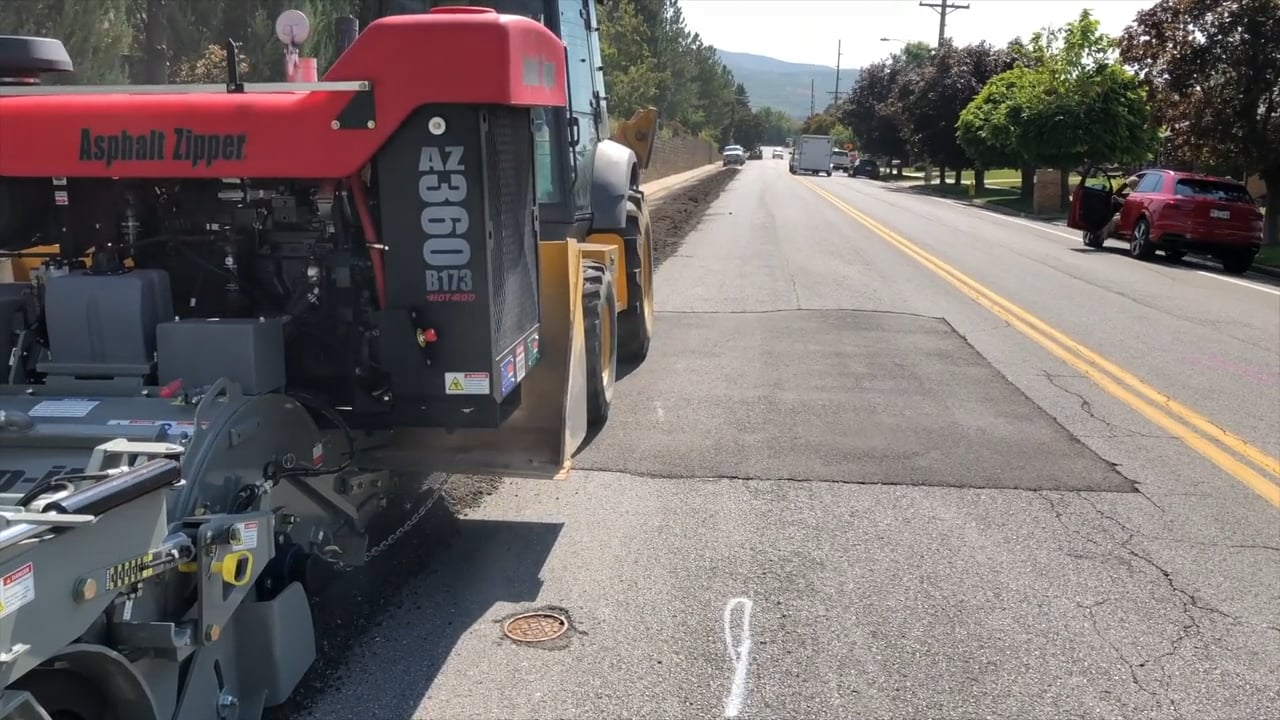
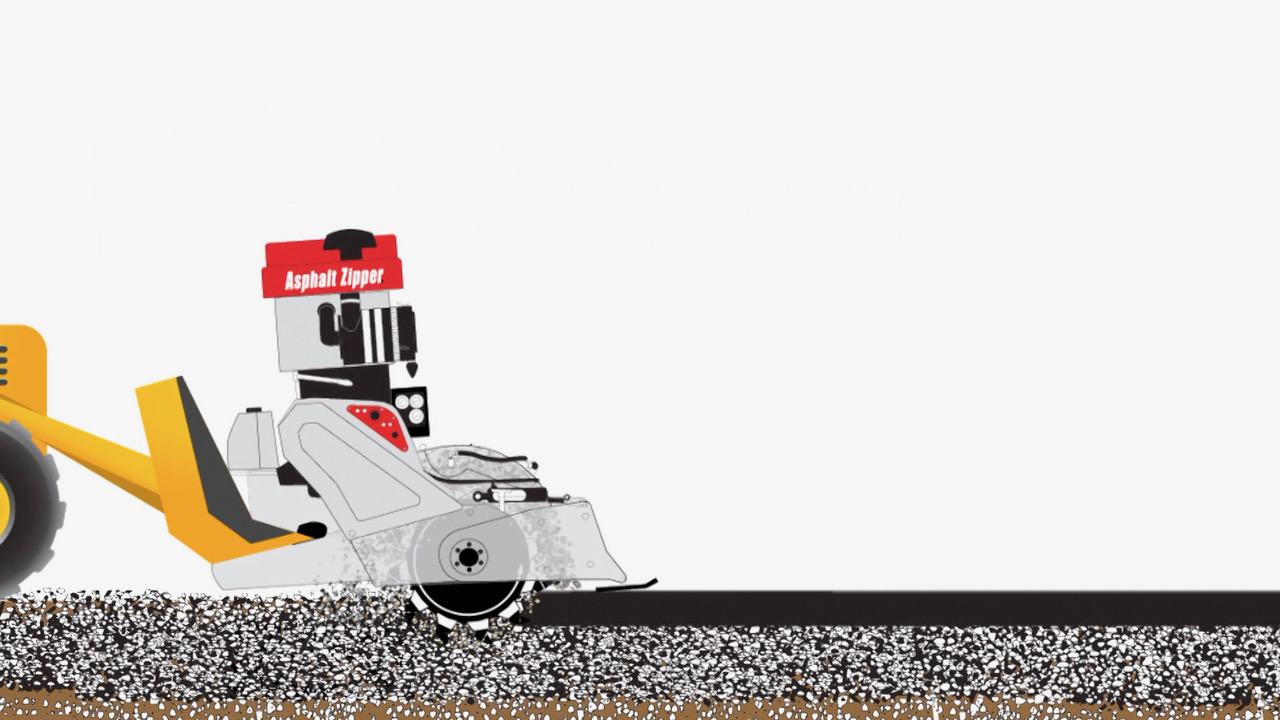
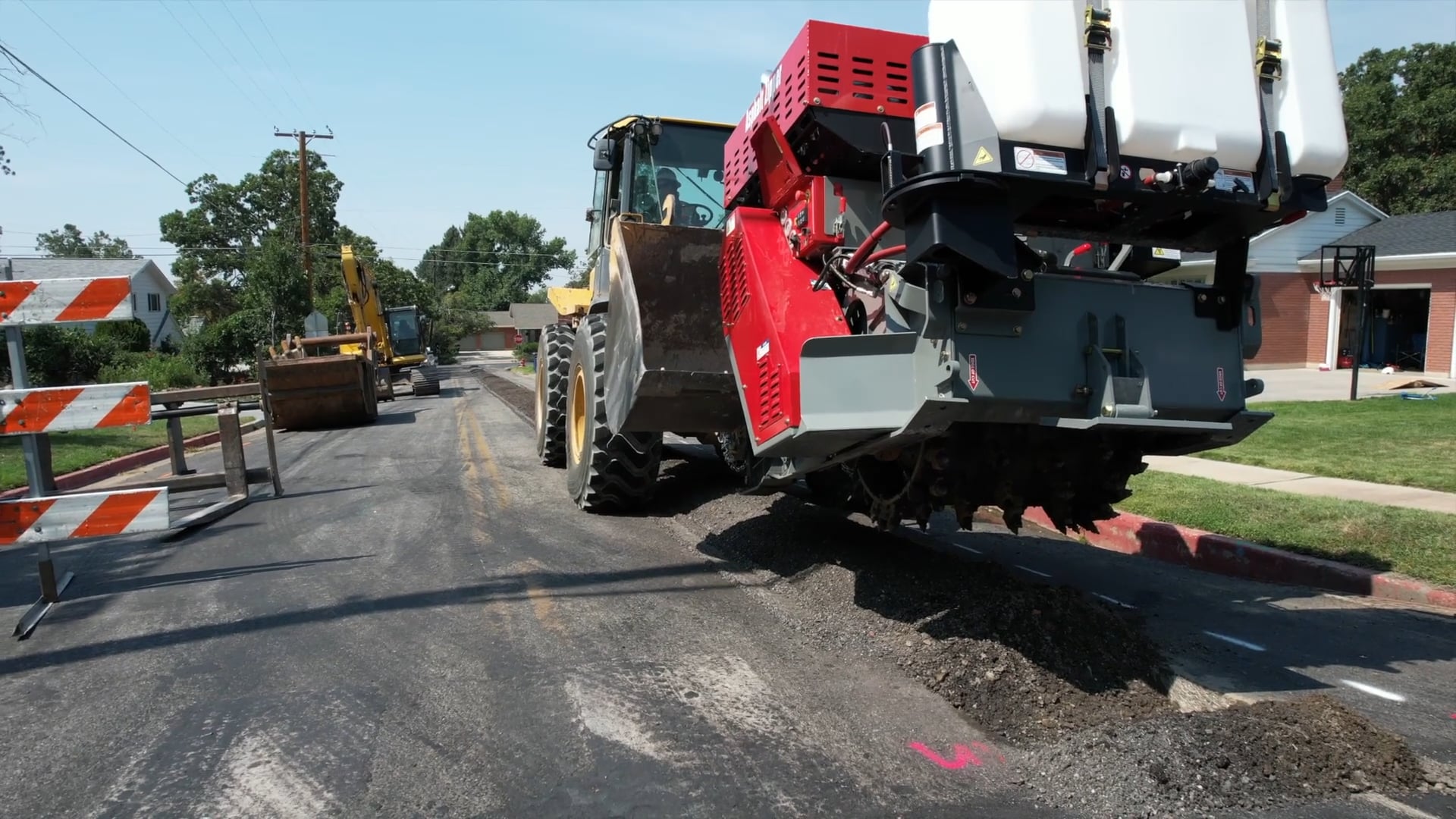
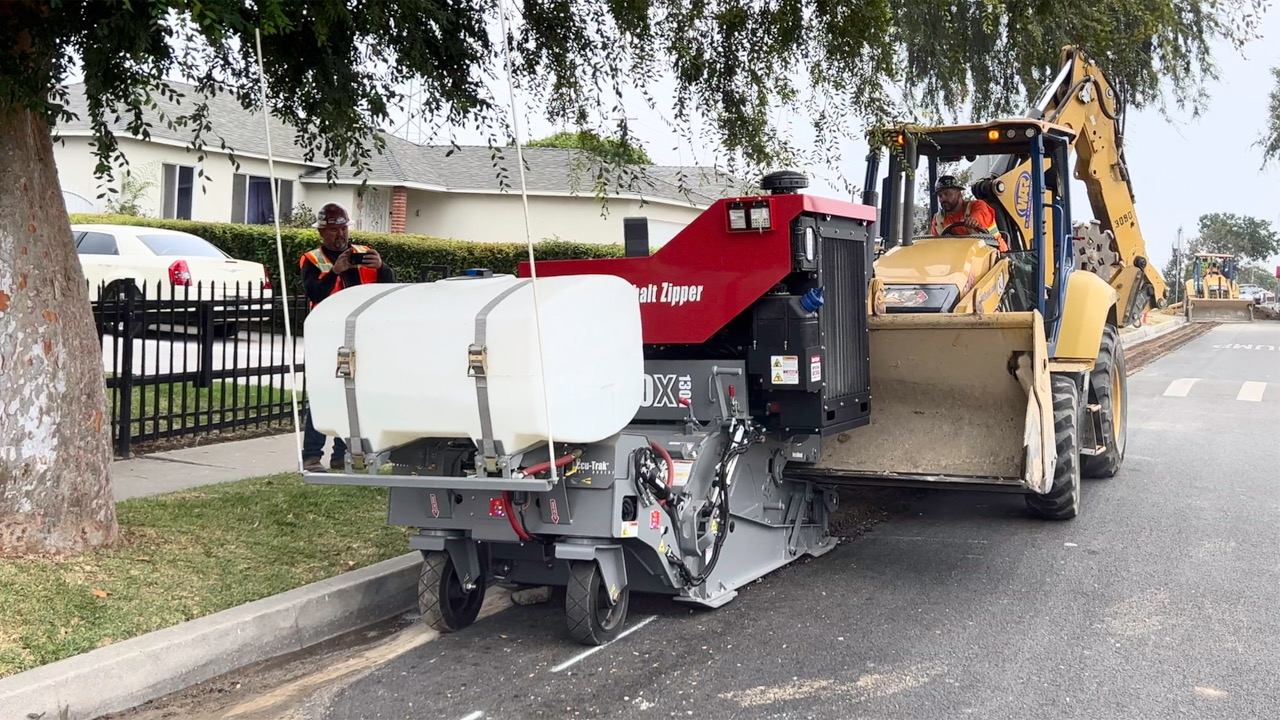
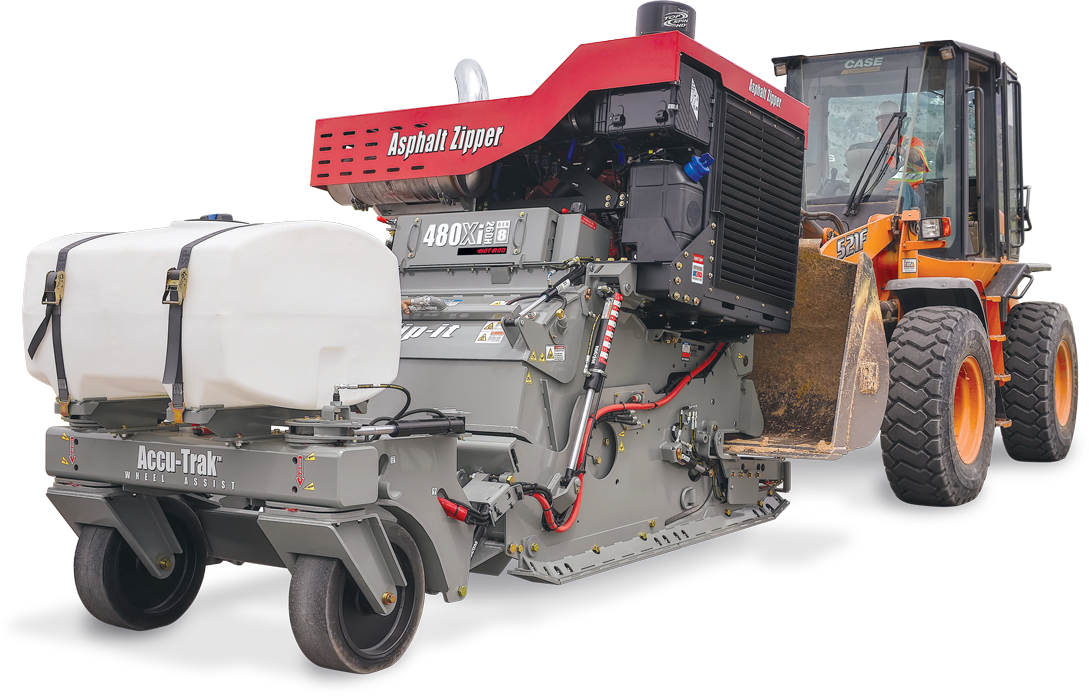
Garrett attended a trade show two years ago and soon found the solution to his problems…a portable asphalt recycling machine that attached to the bucket of a loader! The manufacturer claimed this machine could do the same job as machines costing several hundred thousand dollars more. He was told it could recycle 48 inches wide and up to 12 inches deep in one pass. And it was affordable! He decided to host a demonstration of this machine in Brownwood and discovered it was everything they claimed it was – and more! It wasn’t long before the Asphalt Zipper® AZ 480 HD was sitting in his equipment yard.
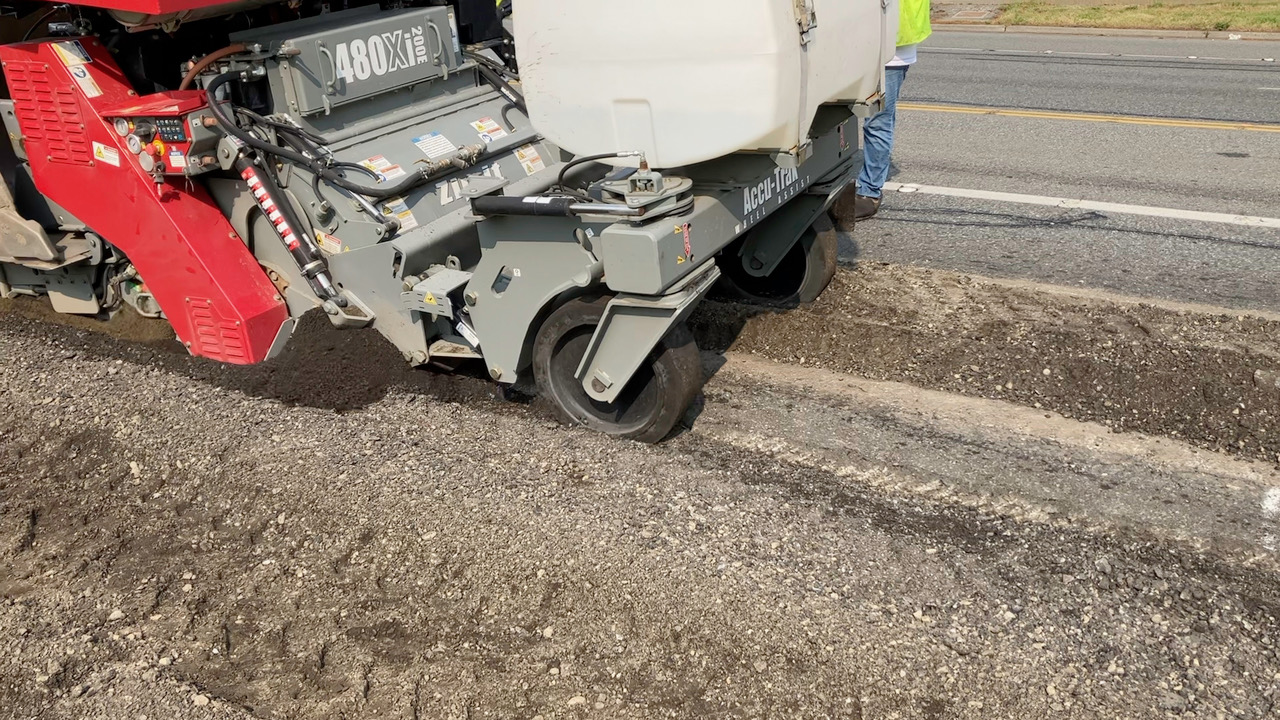
With the means now in his hands, Garrett began transforming Brownwood’s crumbling streets into smooth, modern avenues. This was accomplished by recycling the old asphalt, whatever base still existed, and a mixture of Portland cement and lime to create a new stabilized base material. “To fix a street right, you have to start below and work your way to the top,” said Garrett. And by doing so for the last two years he has saved the city literally tens of thousands of dollars and has reconstructed over 5-miles of streets.
Garrett uses a product called Cem-Lime, a 40% lime and 60% Portland cement mixture. This mixture adds the additional strength and waterproofing needed to create a long lasting road base and addresses the differing soil conditions that exist in Brownwood. It was calculated they needed a 3% to 4% per dry aggregate weight of the Cem-Lime to pulverize into 6 to 8 inches of the existing asphalt, base, and native soil. It was calculated that they needed 27 pounds of Cem-Lime per square yard or about 3/4 inch spread evenly over the surface of the road.
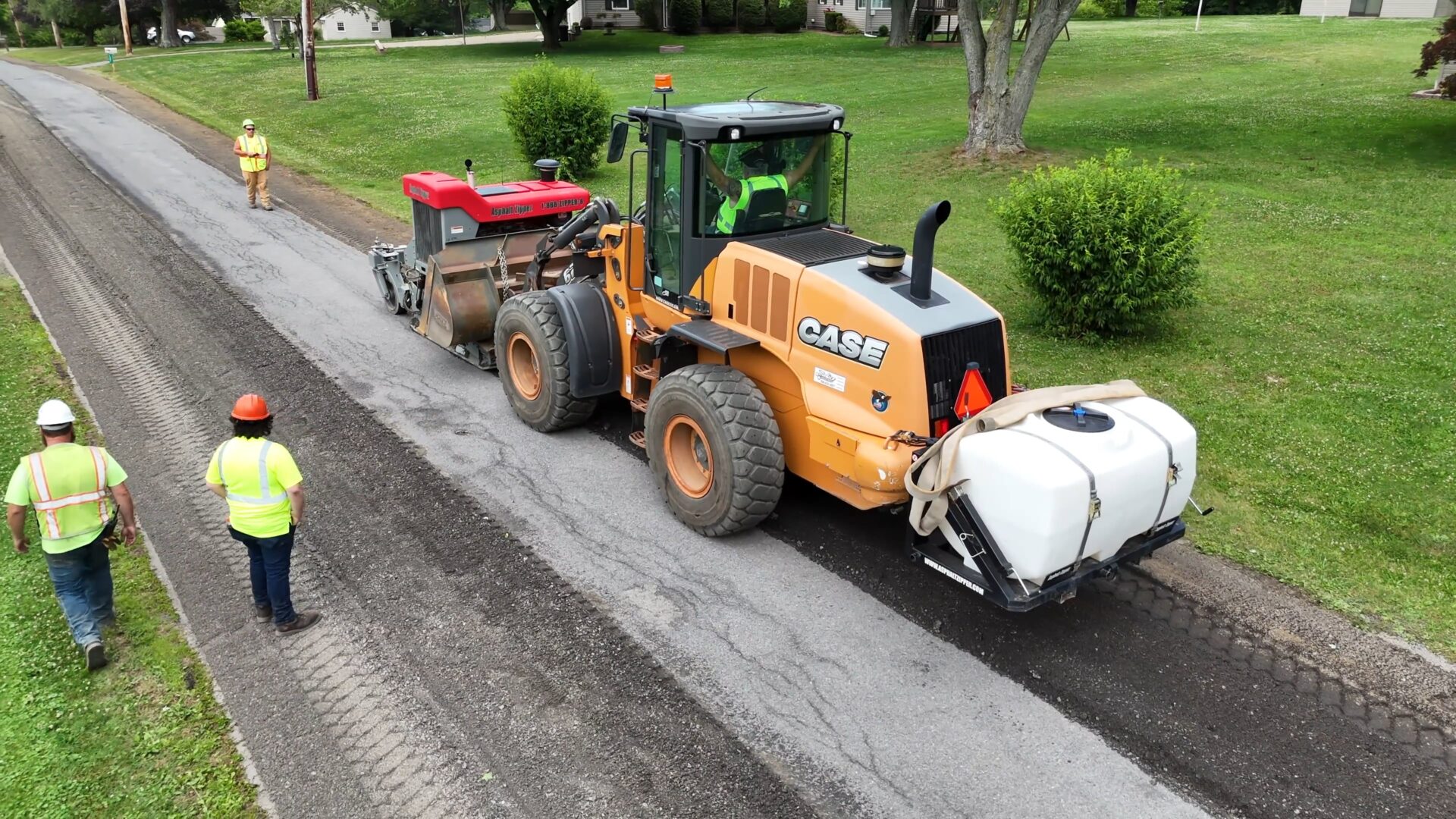
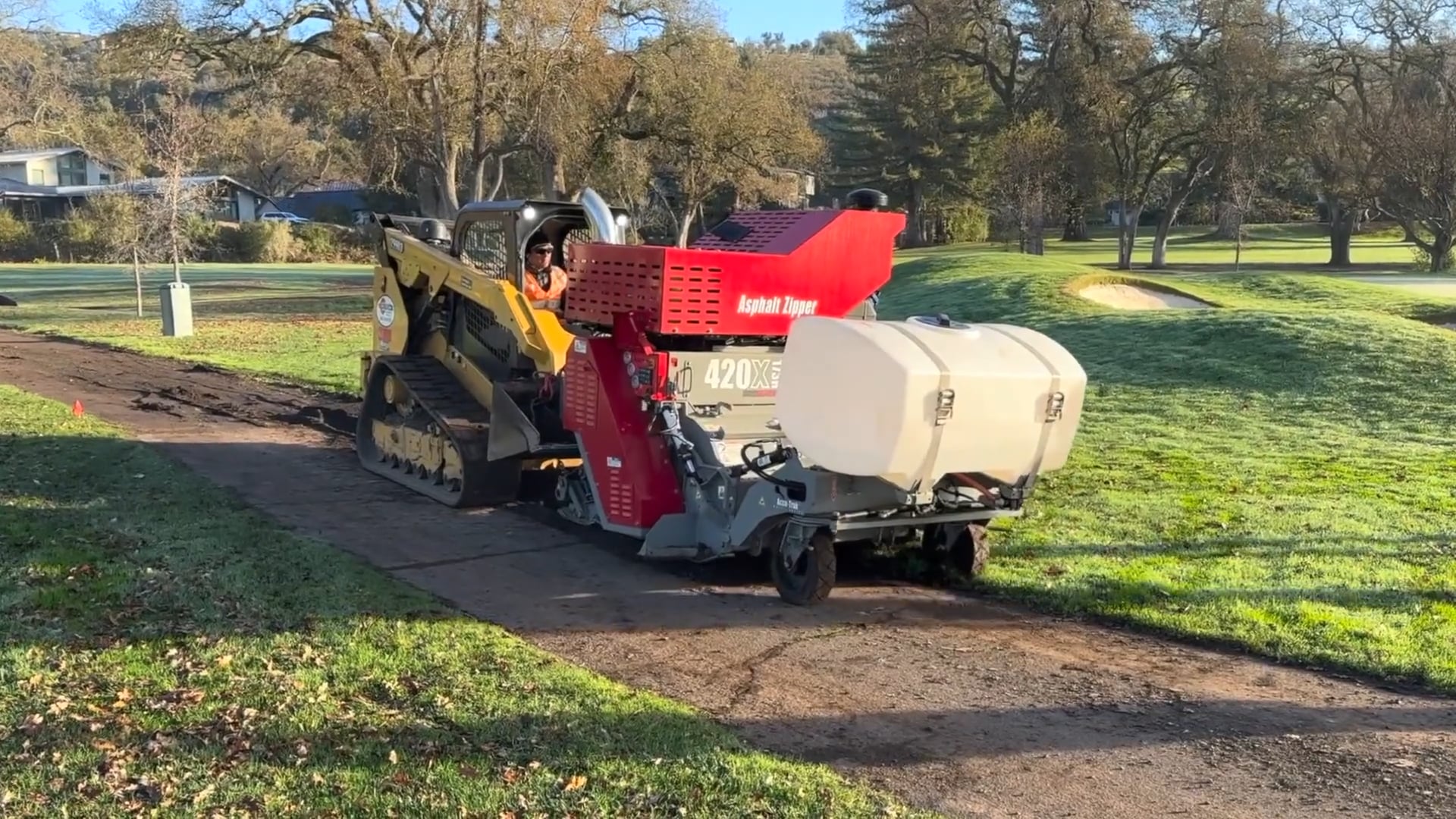
The mixture was applied by the manufacturer of Cem-Lime using a bulk spreader tanker. The road was then pulverized to the depth of 6 to 8 inches with the Asphalt Zipper® portable recycling machine. Terry said this process on a typical 600 foot by 30 foot city street only takes about 2.5 to 3.0 hours.
Water was applied next with a water truck and a grader mixed it all together. The street was brought up to grade and compacted. Pulverizing, mixing, grading and compacting were usually completed in one day, allowing the residents full use of the streets each evening.
The street was then left to cure for a couple of days. A sealcoat was then applied as the wearing surface. With only an occasional sealcoat treatment, the street should be solid and smooth for ten or more years.
The best part of their new system is the cost. Garrett calculates that with the FDR process, Cem-Lime, and the sealcoat, he can stabilize and reconstruct his streets for only $2.68 per square yard. He further states that using today’s asphalt prices his old surface treatments would have cost $5.18 per square yard and in the end he would still “have the pig.”

Graph showing savings
Still Not Convinced?
WE’LL PROVE IT!
Get a Free Demonstration
Call 1-888-ZIPPER-8
Or Click Here